
Titanium anode mounting hardware is an important part of many electrochemical equipment assemblies. Although the active anode surface receives most of the attention, the hangers, brackets, connectors and mounting interfaces also require careful engineering and manufacturing.
These components position the anode within the equipment, connect it to supporting structures and, in some designs, form part of the electrical current path. Their geometry can influence assembly fit, mechanical stability and the condition of the electrical connection.
Unlike standard commercial fasteners, custom titanium anode mounting components may require unusual shapes, elongated slots, accurately positioned holes, machined contact faces or customer-specific threaded connections.
Sunrise Industrial provides drawing-based titanium CNC machining for custom anode components, mounting hardware and related industrial parts. This guide explains the practical manufacturing considerations for titanium anode hangers, brackets, threaded connectors and electrical connection interfaces.
What Is Titanium Anode Mounting Hardware?
Titanium anode mounting hardware refers to the mechanical components used to position, support or connect titanium anodes within electrochemical equipment.
Depending on the equipment design, these components may be manufactured as individual parts or integrated into a larger anode assembly.
Common examples include:
- Titanium anode hangers and suspension hooks
- Custom titanium mounting brackets
- Titanium connection plates and tabs
- Threaded titanium studs and connecting rods
- Machined titanium clamps and holders
- Titanium mounting blocks and spacers
- Custom connection components for rod, plate or mesh anodes
- Other drawing-specific titanium mounting parts
The appropriate structure depends on the anode geometry, installation arrangement, mechanical loading, electrical requirements and operating environment.
Titanium Anode Hangers and Suspension Brackets
Anode hangers are used to support anodes within an equipment assembly. Depending on the design, they may connect an anode basket, plate or other electrode structure to a supporting bar or frame.
A custom hanger may incorporate a hook-shaped profile, mounting slot, bolt hole, flat contact area or other features required by the installation.
Some designs use relatively simple plate-shaped components, while others require more complex machined structures.
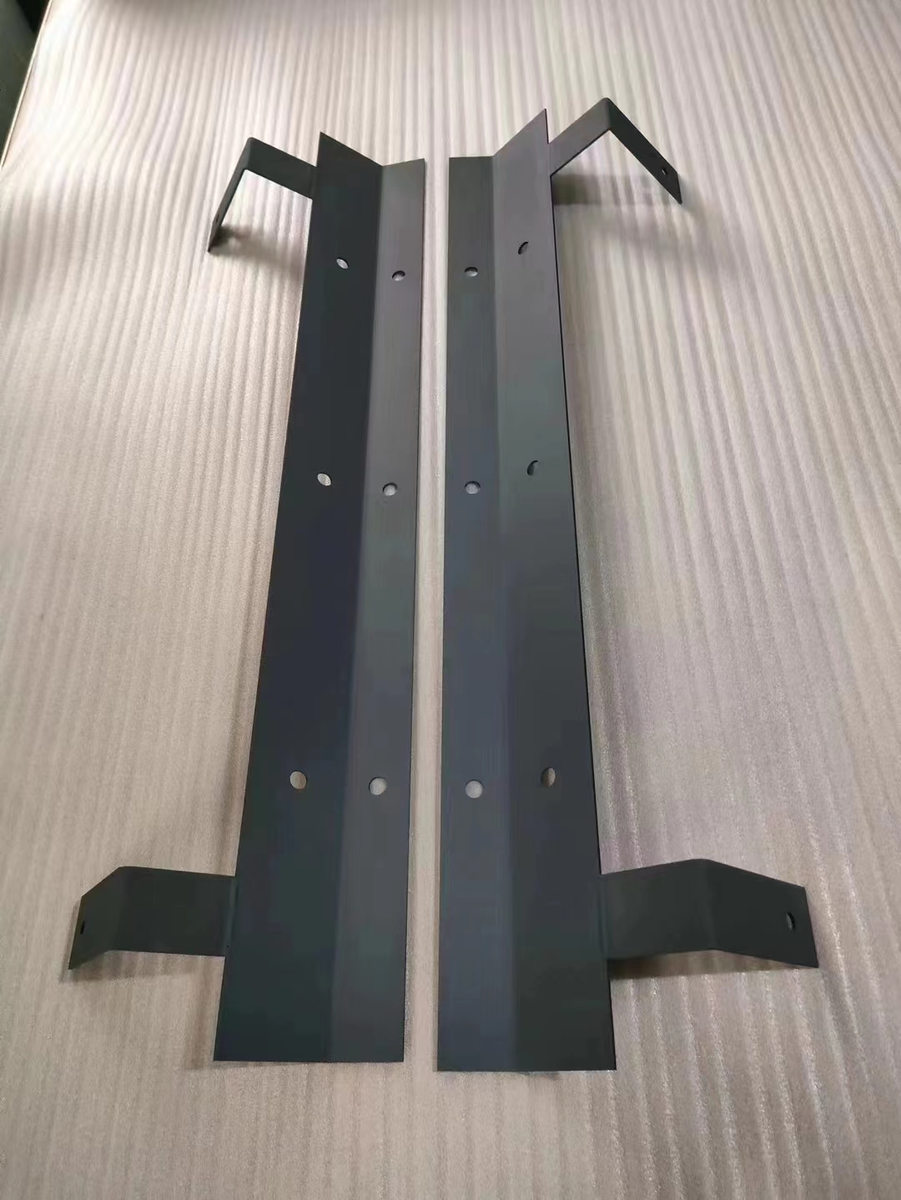
Hook Geometry
The hook profile should match the intended supporting structure. Important dimensions may include the opening width, engagement depth, contact position and surrounding material thickness.
Mounting Slots
Elongated slots may provide a defined installation adjustment range. Their length, width, position and end radii should be specified on the technical drawing.
Supporting Thickness
The required thickness depends on the component geometry, loading conditions and material properties. It should be established by the equipment designer rather than selected only for ease of machining.
Why Titanium Is Used for Anode Mounting Components
Titanium is used in selected electrochemical equipment because of its corrosion resistance, relatively low density and compatibility with certain operating environments.
For mounting hardware, material selection should consider both the mechanical function and the conditions surrounding the component.
Corrosion Resistance
Titanium develops a protective oxide film that provides corrosion resistance in many environments.
This can be useful for equipment containing corrosive liquids or operating in chemically demanding conditions.
However, titanium is not universally resistant to every electrolyte or operating condition. Chemical concentration, temperature, electrochemical potential and other factors must be considered.
Mechanical Properties
Titanium offers useful mechanical properties for structural connection components. The appropriate material grade depends on the loading conditions and the required combination of strength and ductility.
Weight Considerations
Titanium has a lower density than stainless steel. For assemblies containing multiple components, this difference may be relevant when equipment weight or handling requirements are important.
Grade 1 and Grade 2 Titanium for Anode Hardware
Commercially pure titanium grades are commonly considered for titanium anode substrates and related components.
Grade 1 and Grade 2 have different mechanical properties and should be selected according to the customer's material specification.
| Consideration | Grade 1 Titanium | Grade 2 Titanium |
|---|---|---|
| Material Type | Commercially pure titanium | Commercially pure titanium |
| Relative Strength | Lower strength | Higher strength than Grade 1 |
| Ductility | Generally higher ductility | Useful combination of strength and ductility |
| Manufacturing Consideration | Suitable for selected formed or fabricated components | Suitable for selected machined and fabricated components |
| Selection Basis | Drawing, forming requirements and operating conditions | Drawing, mechanical requirements and operating conditions |
Other titanium grades may be specified for particular mechanical designs. However, a higher-strength titanium alloy should not automatically be substituted for commercially pure titanium in an electrochemical assembly.
Material selection must account for the actual electrolyte, operating conditions and component function. Material certificates should correspond to the approved specification.
Electrical Contact Surfaces Require Special Attention
Some titanium anode mounting components are part of the electrical connection between the power supply and the anode.
In these designs, the electrical interface must be considered separately from the mechanical dimensions.
Titanium has substantially higher electrical resistivity than copper, and its naturally occurring oxide film can influence contact resistance.
For this reason, a titanium mounting component should not be assumed to provide the same electrical performance as a copper conductor of identical dimensions.
Contact Area and Geometry
The contact interface may include flat faces, shoulders, clamping surfaces or other drawing-defined features.
Their dimensions and surface condition should follow the approved electrical and mechanical connection design.
Fastening and Contact Pressure
The fastening arrangement can influence the contact condition between mating components.
Bolt size, tightening requirements, contact pressure and any special contact treatment should be established by the equipment manufacturer.
Electrical Validation
Contact resistance, voltage drop, temperature rise and current-carrying performance should be verified according to the intended equipment design. Dimensional inspection alone cannot establish electrical performance.
CNC Machining of Titanium Anode Connectors and Brackets
Custom titanium anode mounting components may require several machining operations because they often combine external profiles, holes, slots, threaded features and mating surfaces.
The appropriate manufacturing route depends on component geometry, material thickness, dimensional tolerances and production quantity.
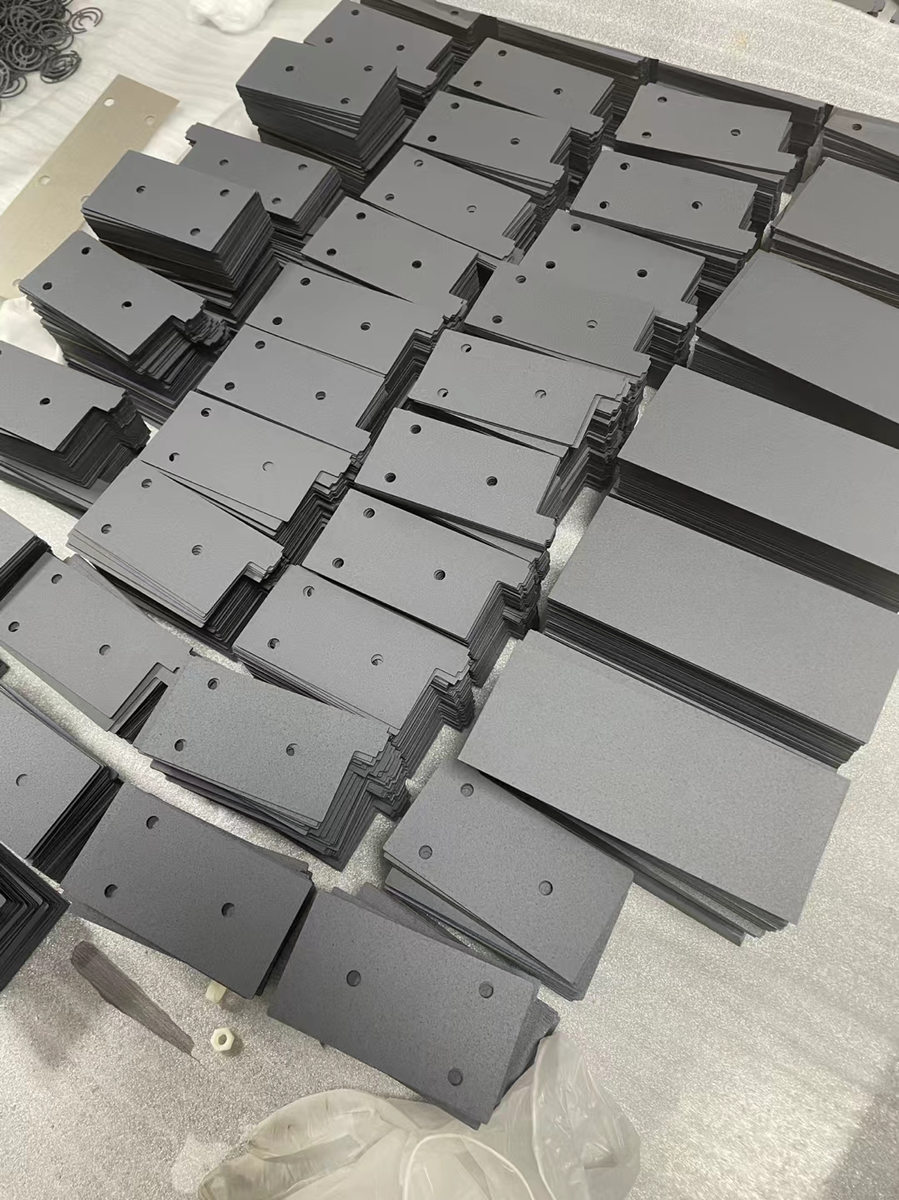
CNC Milling
CNC milling can be used to manufacture flat mounting faces, external profiles, slots, pockets and other non-cylindrical features.
For components with multiple mounting surfaces, the relationship between the machining datums and functional interfaces should be considered during process planning.
CNC Turning
CNC turning may be suitable for cylindrical mounting studs, threaded rods, round connectors, spacers and other rotationally symmetrical components.
Drilling and Threading
Drilled and threaded features are common in anode mounting hardware. Thread size, pitch, depth and hole position should be specified according to the mating components.
Wire EDM and Profile Cutting
For selected complex profiles, narrow slots or special geometries, wire EDM or another suitable cutting method may be considered. The final process should be selected according to the material, required accuracy and manufacturing economics.
Threaded Connections and Assembly Fit
Threaded connections are frequently used to secure anode mounting components to brackets, rods, supporting frames or other equipment structures.
A threaded titanium connector may contain an external thread, internal thread, shoulder, locating diameter or other assembly-related features.
Important manufacturing considerations include:
- Thread diameter and pitch
- Thread engagement length
- Thread position relative to mounting surfaces
- Hole depth and available wall thickness
- Thread entrance and burr condition
- Mating component compatibility
- Customer-specified assembly requirements
Titanium threaded assemblies may be susceptible to galling under certain contact and tightening conditions.
Where repeated assembly or disassembly is expected, the equipment designer should consider the mating material, thread design, surface condition and appropriate assembly procedures.
Machined threads should be inspected according to the drawing and applicable thread specification before the components are released for assembly.
Machining Before Anode Coating and Assembly
Some titanium anodes are supplied with mixed metal oxide or platinum-based electrochemical coatings according to the application.
For these projects, the manufacturing sequence should distinguish between the titanium substrate, mounting hardware and active coated areas.
CNC machining is generally planned before final electrochemical coating when subsequent cutting could damage the specified coating.
The coating specification should identify which surfaces require coating and which areas must remain uncoated or receive another approved treatment.
Mounting holes, threaded features and electrical connection surfaces may require particular attention because they can have different functional requirements from the active electrode surface.
The manufacturer should confirm whether the mounting hardware is supplied as an uncoated machined component, a fabricated subassembly or part of a complete coated anode assembly.
Sunrise Industrial focuses on precision titanium machining and can coordinate selected coating requirements through appropriate external partners according to the agreed project specification.
Quality Inspection for Titanium Anode Mounting Components
Quality inspection should focus on the dimensions and features that affect installation, assembly and mating compatibility.
The required inspection methods depend on the approved drawing and the functional importance of each characteristic.
| Inspection Item | Inspection Purpose |
|---|---|
| Material Grade | Confirm the specified titanium material and relevant documentation. |
| Overall Dimensions | Verify component length, width, thickness and external geometry. |
| Mounting Holes | Check hole diameter, position and spacing. |
| Slots and Hook Profiles | Confirm drawing-defined geometry and assembly dimensions. |
| Threads | Verify thread size, depth and functional condition. |
| Contact Faces | Inspect specified flatness, surface finish and geometric relationships. |
| Surface Condition | Check burrs, scratches and unacceptable machining defects. |
Suitable inspection methods may include dimensional gauges, thread gauges, optical measurement and coordinate measuring equipment where required.
For mounting hardware supplied as part of an assembly, a fit check using the intended mating components may be useful before repeat production.
Electrical contact resistance, mechanical load capacity and complete anode performance require additional engineering validation beyond ordinary dimensional inspection.
What Affects the Cost of Custom Titanium Anode Hardware?
The cost of custom titanium anode mounting components depends on material, geometry, machining requirements and order quantity.
Material Grade and Blank Size
Different titanium grades and raw material dimensions affect material cost and manufacturing planning.
Profile Complexity
Simple flat brackets may require fewer operations than components with complex contours, deep pockets or multiple machined faces.
Threaded and Precision Features
Additional threaded holes, close-tolerance bores and specified contact surfaces may increase machining and inspection time.
Surface and Assembly Requirements
Special finishing, coating coordination, cleaning or assembly requirements can affect the overall quotation.
Production Quantity
Prototype quantities generally have a higher setup cost per component. Repeat production can distribute programming, tooling and fixture costs across larger quantities.
Information Needed for a Titanium Anode Mounting Hardware Quotation
Providing complete technical information helps the CNC machining manufacturer evaluate the design and prepare an accurate quotation.
For custom titanium anode mounting hardware, buyers should provide:
- 2D technical drawing and available 3D CAD model
- Titanium grade and applicable material standard
- Overall dimensions and component geometry
- Mounting hole and slot specifications
- Thread sizes, positions and engagement requirements
- Critical dimensions and geometric tolerances
- Contact surface and finishing requirements
- Mating component or assembly information
- Coated and uncoated area requirements, if applicable
- Sample quantity and expected production quantity
- Material certificate and inspection requirements
- Packaging and delivery requirements
If the component is intended to carry electrical current, relevant electrical and operating information should also be supplied so that the responsible equipment designer can confirm the required connection design.
Custom Titanium Anode Component Manufacturing at Sunrise Industrial
Sunrise Industrial is a China-based precision CNC machining manufacturer specializing in titanium components and drawing-based OEM production.
Our machining capabilities include CNC turning, CNC milling, turn-mill machining, drilling, threading and wire EDM for suitable custom component designs.
For titanium anode mounting hardware, we can review custom hangers, brackets, threaded connectors, mounting plates and other precision-machined parts according to customer drawings.
We support prototype machining, small-batch production and repeat OEM orders based on agreed specifications and manufacturing feasibility.
Explore our Titanium Anodes product page and CNC Milling Service for more information about our titanium manufacturing capabilities.
Frequently Asked Questions
What is titanium anode mounting hardware?
It includes hangers, brackets, connectors, mounting plates and other components used to support or connect titanium anodes within electrochemical equipment.
Can titanium anode hangers be CNC machined?
Yes. Suitable hanger designs can be manufactured using CNC milling, drilling, profile cutting and other machining processes according to their geometry.
Which titanium grades can be used for anode mounting components?
Commercially pure Grade 1 and Grade 2 titanium are possible options for selected designs. Material suitability depends on the operating environment and customer specification.
Can titanium anode connectors have threaded holes?
Yes. Internal and external threads can be machined according to the specified dimensions, material and manufacturing feasibility.
Is titanium as electrically conductive as copper?
No. Titanium has substantially higher electrical resistivity than copper. Electrical contact and current-carrying requirements must be evaluated as part of the equipment design.
Can mounting hardware be supplied with coated titanium anodes?
Mounting components and coating requirements can be reviewed as part of a custom anode assembly. Specialized coating processes may be coordinated through suitable external partners.
Can Sunrise Industrial manufacture small quantities?
Yes. Sunrise Industrial supports sample machining, small-batch manufacturing and repeat OEM production according to the component design and project requirements.
Looking for Custom Titanium Anode Mounting Components?
Sunrise Industrial provides drawing-based titanium CNC machining for custom anode hangers, mounting brackets, threaded connectors and related industrial components.
Send us your drawing, titanium grade, mounting dimensions, thread requirements and quantity. Our team can review the manufacturing requirements and prepare a quotation for your OEM project.
Request a CNC Machining Quote Contact Sunrise Industrial