
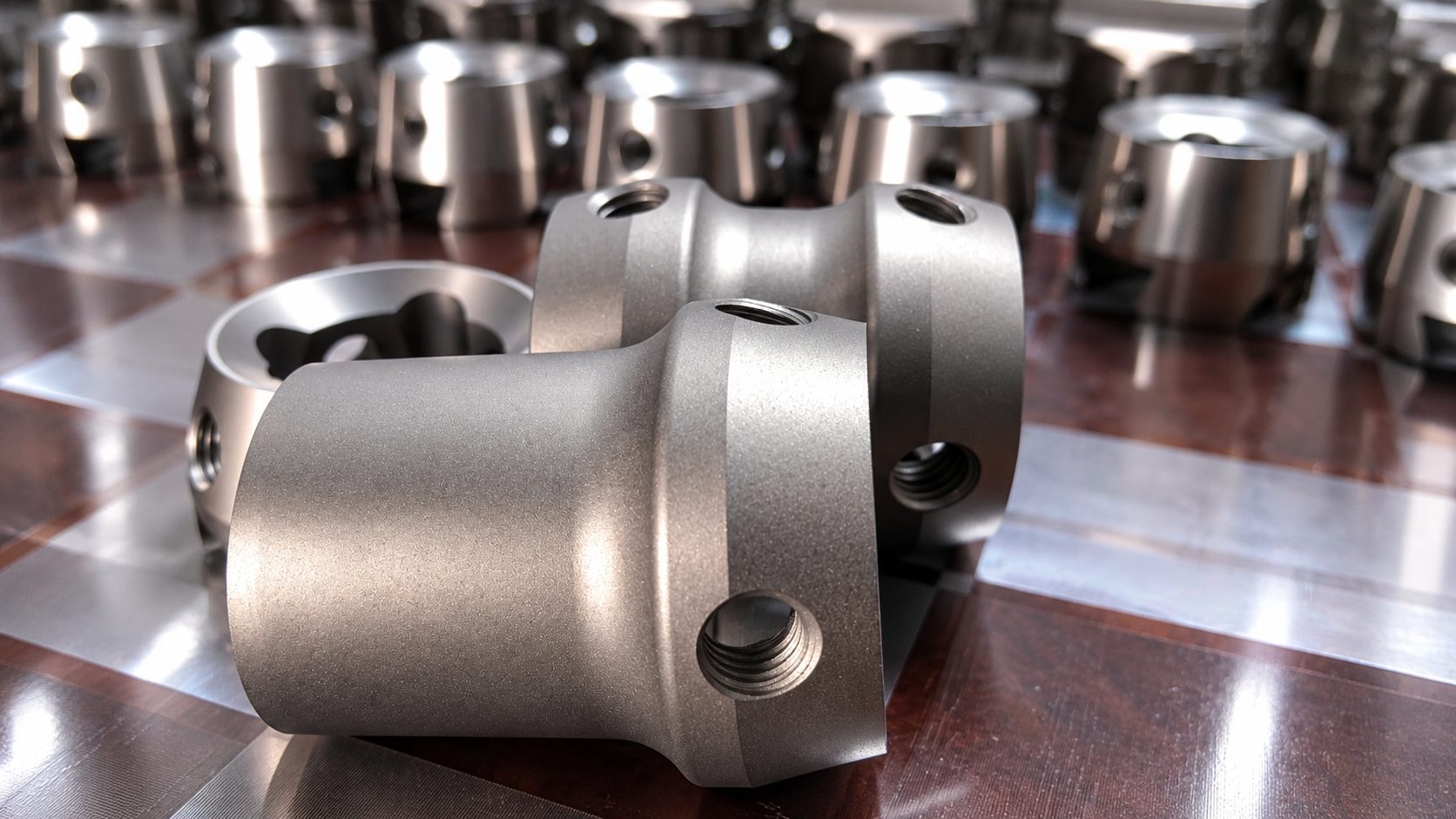
Prosthetic tube heads are connection components used with pylons or tube structures in modular lower-limb prosthetic assemblies. Depending on the design, the component may provide a transition between a tube and a pyramid, receiver or another modular connection interface.
Although tube heads and tube adapters are sometimes described using similar terminology, their exact structure should always be defined by the drawing, tube dimensions and mating components.
What Is a Prosthetic Tube Head?
A tube head forms part of the connection between a prosthetic pylon or tube and another modular component. Designs vary between product systems and may incorporate a male pyramid, receiver or another customer-defined interface.
Some tube-head designs are manufactured as individual CNC-machined components and subsequently assembled with a tube, while others use an integrated structure according to the product design.
Tube Connection Dimensions
The relationship between the tube and tube head is one of the key manufacturing considerations. Relevant dimensions can include:
- Tube outside diameter
- Tube inside diameter
- Tube wall thickness
- Insertion or connection length
- Mating diameter and tolerance
- Shoulder or locating position
These dimensions should be considered together rather than specifying only the nominal tube size.
CNC Machining of the Tube Head
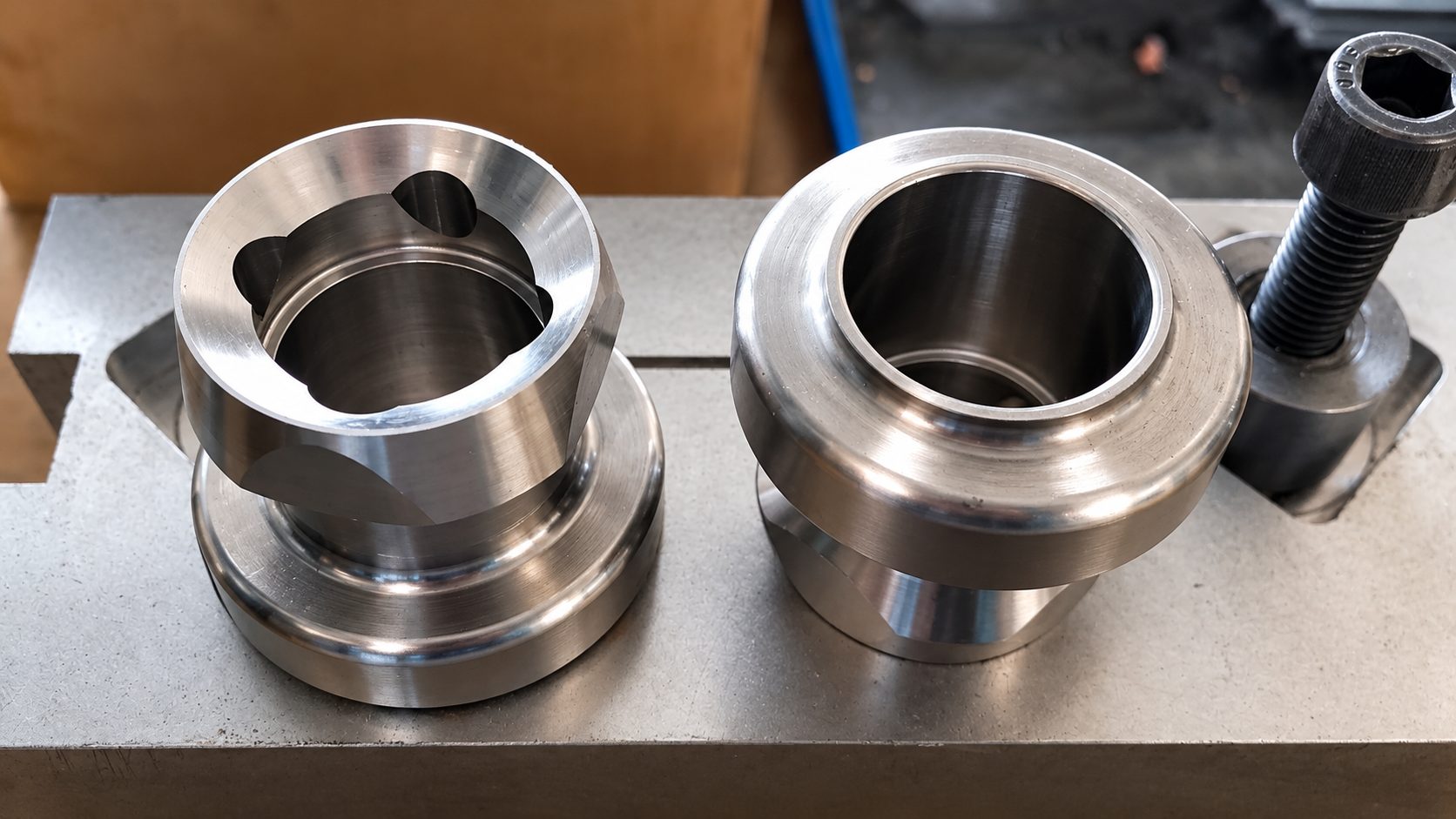
CNC turning can be used to produce cylindrical connection areas, shoulders, bores and other rotational features. Milling can then produce pyramid geometry, flats, holes, slots or other non-rotational details.
For components containing both a tube connection and a modular prosthetic interface, maintaining the relationship between these two functional areas is important during machining and inspection.
Titanium, Stainless Steel and Aluminum Options
Tube heads and related prosthetic adapters can be manufactured from titanium, stainless steel or aluminum when specified by the customer. Each material has different density, machining characteristics, mechanical properties and finishing options.
For an existing product, the specified material should normally remain consistent with the approved design. For a new OEM project, material selection should be evaluated as part of the complete component design.
Integrated Tube and Head Assemblies
Some projects require both the machined tube head and the corresponding pylon or tube. Supplying the mating components together can make it easier to review dimensional compatibility before shipment.
Where components are permanently joined, the required assembly method should follow the customer's drawing and approved manufacturing specification.
Inspection Priorities
Inspection can include the tube mating diameter, bore dimensions, overall height, interface geometry, hole positions, threads and surface condition.
When the tube and head are supplied as an assembly, the relationship between the two components can also be checked according to the drawing requirements.
Custom Tube Heads from Drawings or Samples
OEM customers can provide 2D drawings, 3D models or physical samples for manufacturing review. For sample-based projects, the required tube specification and mating interface should also be confirmed before production.
Custom options can include material, overall height, tube dimensions, interface type, holes, threads, surface finish and laser marking according to the customer's requirements.
Custom Prosthetic Tube Heads from Sunrise Industrial
Sunrise Industrial manufactures tube heads, tube adapters, tube clamp adapters, pyramid adapters, receivers, double-ended adapters and other modular prosthetic components according to customer drawings and samples. Send your drawing, tube specification, material and quantity for manufacturing review.