
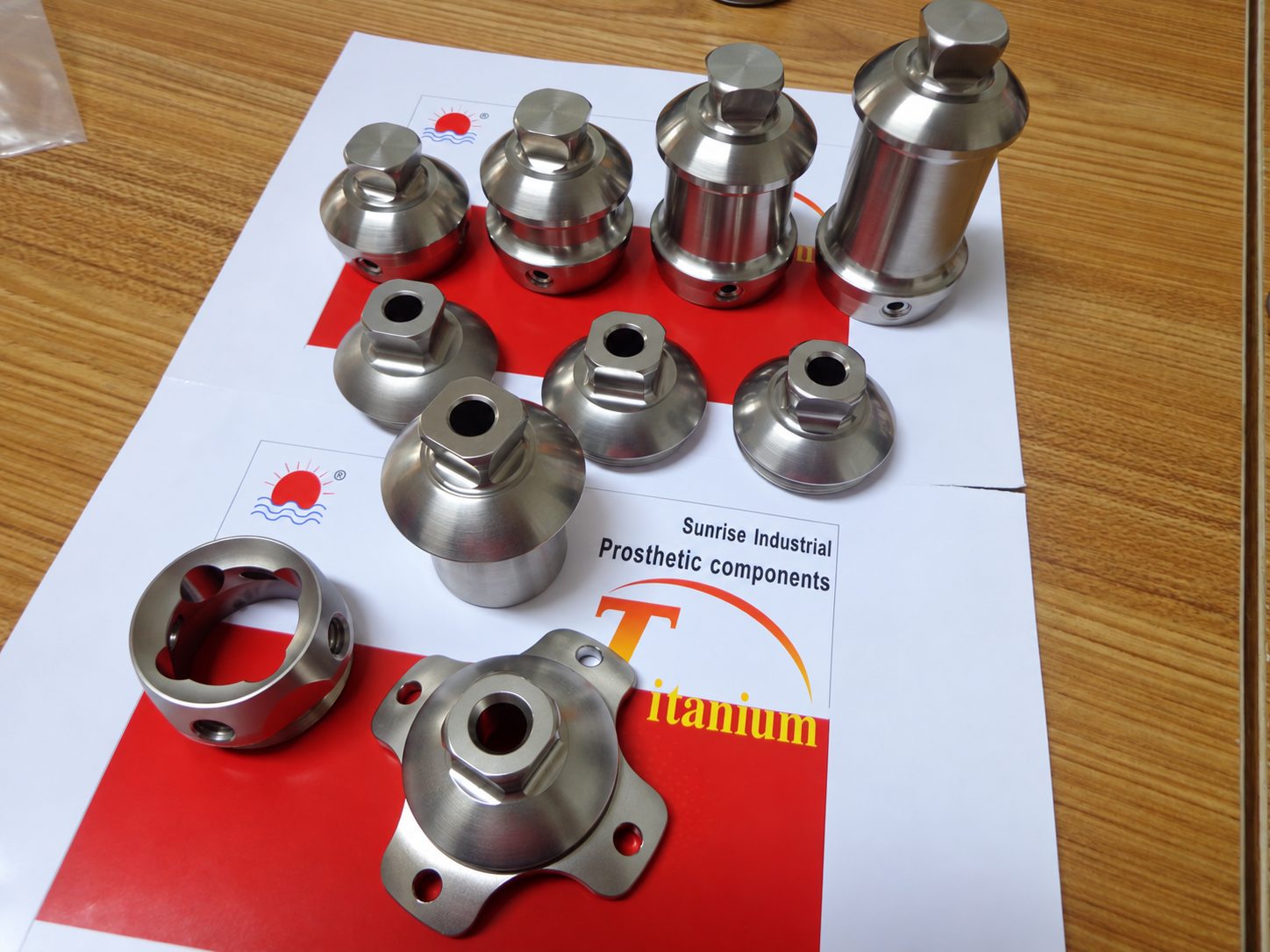
Prosthetic pyramid adapters are modular connection components used in lower-limb prosthetic assemblies. The male pyramid interface connects with a compatible receiver and provides a compact mechanical connection between different prosthetic components.
Sunrise Industrial manufactures custom prosthetic pyramid adapters in titanium, stainless steel and aluminum according to customer drawings, samples and project-specific requirements. CNC turning, milling and turn-mill machining can be combined to produce the pyramid, base, threads, holes and other functional features.
What Is a Prosthetic Pyramid Adapter?
A prosthetic pyramid adapter is a connection component featuring a male pyramid interface. It is designed to mate with a compatible female receiver in a modular prosthetic system.
Depending on the assembly, the pyramid may be integrated with a tube clamp, socket adapter, sliding adapter, double-ended adapter or another structural component. This allows the same basic connection principle to be incorporated into different prosthetic configurations.
The Role of the Pyramid Interface
The pyramid is more than a simple connecting projection. Its geometry works together with the mating receiver and adjustment screws to create a controlled modular connection.
Because the pyramid and receiver operate as mating components, their dimensions and contact geometry should be considered together. A pyramid that is manufactured accurately but does not correspond to the intended receiver design may still create assembly problems.
Common Pyramid Adapter Configurations
| Configuration | Typical Structural Feature |
|---|---|
| Pyramid Socket Adapter | Pyramid combined with a socket-side mounting structure |
| Pyramid Tube Clamp Adapter | Male pyramid combined with a tube clamping section |
| Sliding Pyramid Adapter | Pyramid interface combined with a sliding adjustment structure |
| Double-Ended Pyramid Adapter | Pyramid-based connection incorporated into an intermediate adapter |
| Custom Pyramid Connector | Drawing-specific base, height, holes, threads or connection geometry |
Titanium Pyramid Adapters
Titanium is commonly selected for precision prosthetic components when a combination of strength, relatively low weight and corrosion resistance is required. Ti-6Al-4V is frequently used for CNC machined structural components, although the final material grade should always follow the customer's drawing and technical requirements.
For pyramid adapters, reducing component weight can be particularly useful because several modular components may be assembled together in one prosthetic system. The appropriate geometry and material, however, must be determined by the product designer according to the intended application.
Stainless Steel and Aluminum Options
Not every prosthetic pyramid adapter needs to be manufactured from titanium. Stainless steel may be specified where its material properties, manufacturing requirements or project economics are preferred.
Aluminum can also be used for selected prosthetic adapter structures when specified by the customer. Sunrise Industrial therefore manufactures prosthetic components in titanium, stainless steel and aluminum rather than applying one material to every design.
Why Pyramid Geometry Requires Controlled Machining
The pyramid contains angled functional surfaces rather than only simple cylindrical dimensions. These surfaces interact with the mating receiver and therefore require controlled machining relative to the component centerline and surrounding base structure.
Important drawing requirements may include pyramid width, height, angle, corner geometry, transition radius and position relative to other component features. The complete drawing should be reviewed rather than treating the pyramid as an independent feature.
CNC Turning and Milling for Pyramid Adapters
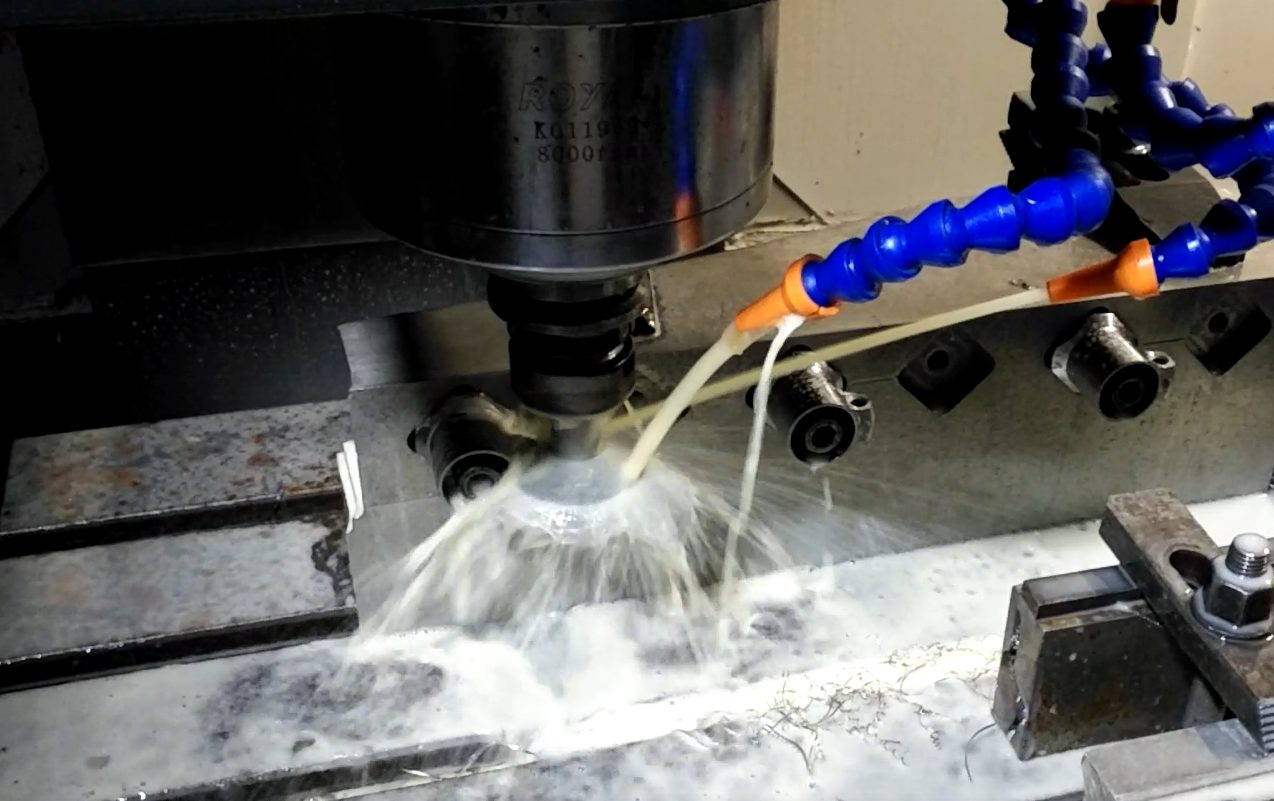
Many pyramid adapters contain both rotational and non-rotational geometry. Circular bases, external diameters, bores and some threaded features can be produced by CNC turning, while the pyramid faces, flats, slots and hole patterns may require CNC milling.
Turn-mill machining or multi-axis CNC machining can be useful when several of these features must maintain a controlled positional relationship. The manufacturing route depends on the adapter geometry, tolerance requirements and production quantity.
Pyramid and Receiver Compatibility
A male pyramid should be evaluated together with the female receiver that it is intended to fit. Receiver opening dimensions, contact surfaces and adjustment screw positions can influence the final assembly.
For custom OEM projects, supplying drawings for both mating components can help the manufacturer understand the interface more clearly. A physical sample can also be useful when an existing assembly must be reproduced or modified.
Adjustment Screw Contact
In many modular designs, screws in the receiver contact the angled surfaces of the pyramid. The relationship between the screw tip and pyramid surface should therefore be considered during product design.
Screw position, thread specification, contact geometry and available adjustment range should be defined by the customer's assembly requirements. These details can be reviewed together when manufacturing both pyramid and receiver components for the same project.
Base Geometry and Transition Radii
The area where the pyramid joins the main adapter body can contain radii, curved surfaces, shoulders or other transitions. This geometry may affect both machining strategy and the overall component design.
Clear radius and profile dimensions on the drawing help avoid ambiguity during machining. A 3D model is especially useful when the transition contains blended or compound surfaces that are difficult to define with only basic dimensions.
Threads and Mounting Features
Depending on the adapter design, additional features may include internal threads, external threads, mounting holes, countersinks, slots or cross holes. These features often connect the pyramid section with another prosthetic component or mounting structure.
Thread size, pitch, depth and mating requirements should be clearly defined. For custom components, providing the mating screw or corresponding part information can help with manufacturing review and inspection planning.
Surface Finish and Edge Condition
Machined pyramid adapters may require different surface conditions on functional and non-functional areas. Cosmetic surfaces can be finished according to customer requirements, while mating surfaces must remain consistent with the dimensional and assembly requirements of the drawing.
Deburring is also important around holes, threads and machined edges. Surface treatment should be considered together with final dimensions when it could influence mating or threaded areas.
Dimensional Inspection
| Inspection Area | Typical Requirement |
|---|---|
| Pyramid Geometry | Width, height, angle and drawing-defined profile |
| Base Dimensions | Diameter, thickness, height and mounting geometry |
| Threads | Thread size, pitch, depth and functional fit |
| Hole Position | Location relative to defined datums |
| Mating Interface | Assembly with the intended receiver where required |
Custom Pyramid Adapters from Existing Samples
Some prosthetic projects begin with an existing physical component rather than a complete manufacturing drawing. A sample can provide useful information about overall geometry, mating interfaces, threads and surface condition.
For repeatable OEM manufacturing, however, a controlled drawing should ultimately define the required dimensions, tolerances, material and surface requirements. Sample measurement and drawing review can therefore be used together during development.
Prototype and Small-Batch Production
CNC machining is suitable for pyramid adapter prototypes because the component can be produced directly from customer drawings without dedicated forming tooling. This allows geometry and assembly to be evaluated before larger production quantities are considered.
After the design is confirmed, machining programs, fixtures and inspection methods can be optimized for repeat batches. This approach is useful for OEM projects involving multiple adapter sizes or related component families.
Designing a Family of Modular Prosthetic Components
When several adapters are intended to work within the same modular product family, consistent interface geometry can simplify assembly and product management. Pyramid dimensions, receiver geometry, thread standards and related connection features can be reviewed across the complete component range.
Maintaining common interfaces does not mean every adapter must have the same external shape. Tube clamp adapters, socket adapters and double-ended adapters can retain different functional structures while sharing compatible connection geometry where required by the customer's design.
What to Include in a Pyramid Adapter RFQ
Information Helpful for Quotation
Please provide the adapter drawing or STEP model, material grade, pyramid geometry, base dimensions, thread specifications, mating receiver information, surface finish and required quantity. For a new modular component family, drawings of related mating parts are also helpful for interface review.
Custom Prosthetic Component Manufacturing
Sunrise Industrial manufactures pyramid adapters, receivers, tube clamp adapters, socket adapters, sliding adapters, double-ended adapters and other custom prosthetic components according to customer drawings and samples. Our production capabilities include CNC turning, milling, turn-mill machining, multi-axis machining and dimensional inspection for prototype, small-batch and repeat OEM production.
Need Custom Prosthetic Pyramid Adapters?
Send us your drawing, 3D model, material, mating receiver details and quantity for manufacturing review and quotation.
Contact UsAbout Sunrise Industrial
Sunrise Industrial is an ISO 9001:2015 precision CNC machining and custom component manufacturer. We manufacture prosthetic components, titanium CNC machined parts, titanium dental discs, titanium sputtering targets, fasteners and other drawing-based custom components for OEM projects.